Workforce intelligence is not valuable because it produces interesting reports.
It is valuable because it enables better decisions.
Yet even the most sophisticated workforce analytics capability has a critical vulnerability: It only creates value if leaders still have time to act on what it reveals.
That is the issue.
As the pace of workforce change accelerates, the window for action is narrowing. What once gave leaders months to respond may now only give them weeks, days or no meaningful opportunity at all.
And when time disappears, options disappear with it.
Consider employee turnover.
In the past, dissatisfaction often unfolded over a longer period. Engagement declined. Absenteeism increased. Productivity dipped. Conversations could still happen. Workloads could be adjusted. Development opportunities could be offered. Internal moves could be explored. There was room to understand the issue, negotiate, and intervene.
Today, the signals may still exist, but they are often subtler and easier to dismiss.
A high-performer takes more leave than usual. Their productivity dips slightly. They seem less engaged in meetings. Each signal can be explained away: fatigue, a difficult project, personal circumstance.
Nothing urgent. Or so it seems.
By the time the pattern becomes clear, the decision has already been made. The employee has accepted another offer, agreed a start date and confirmed a non-negotiable departure date.
At that point, the organisation has not simply run out of time. It has run out of options.
The opportunity to address workload, development, mobility, management or career progression has passed. What remains is notification, replacement and disruption.
This is not just about turnover.
The same compression is affecting skills, succession, capacity, workforce planning and organisational design.
Why? What caused this shift?
Skills are becoming obsolete within years, not decades. AI is reshaping job roles faster than organisations can redesign them. Employee expectations around flexibility, purpose, development and culture are shifting rapidly. What attracted talent two years ago may not retain it today.
In this environment, timing becomes a source of competitive advantage. Organisations that surface workforce risks earlier preserve more choices.
Those that surface the same issue later may be left with only one option: react.
While some organisations wait for quarterly reports, others act on weekly signals.
While some debate the right response, others have already implemented theirs.
While one organisation loses a high-performer, another gains one.
This is not simply a technology problem. It is a timing problem.
The value of workforce intelligence lies not only in what it reveals, but in whether it reveals it early enough for leaders to do something meaningful about it.
The question is not whether you have insight. The question is whether you still have it while you still have options.
Leadership Question
What workforce challenge are you managing today with fewer options because it was not surfaced earlier?
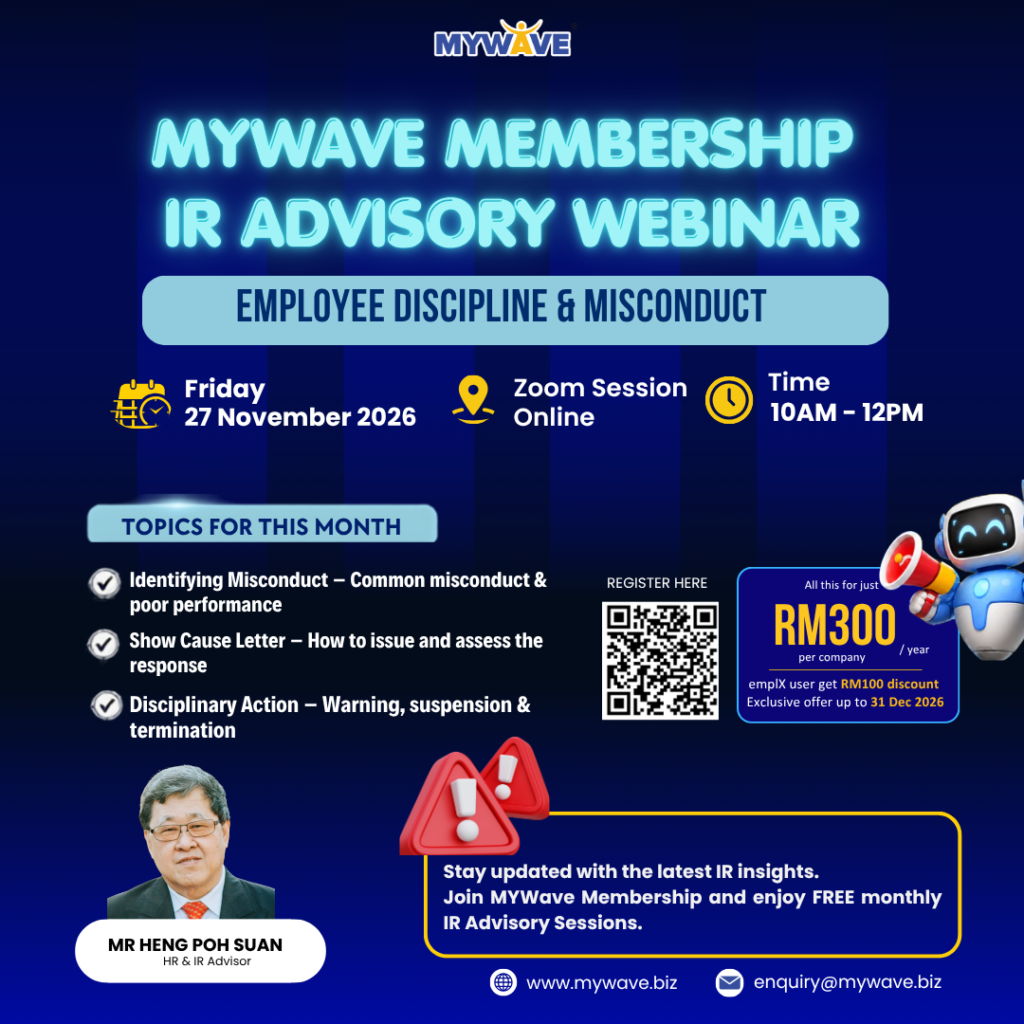
Want to to surface workforce risks earlier – while you still have options? Contact the MYWave team to learn how our workforce analytics solutions and capability development programmes can help your organisation build workforce: